
Two apps promise to top up your gaming budget without spending a dollar. One pays you to answer questions, the other pays you to play — here’s which one wins.
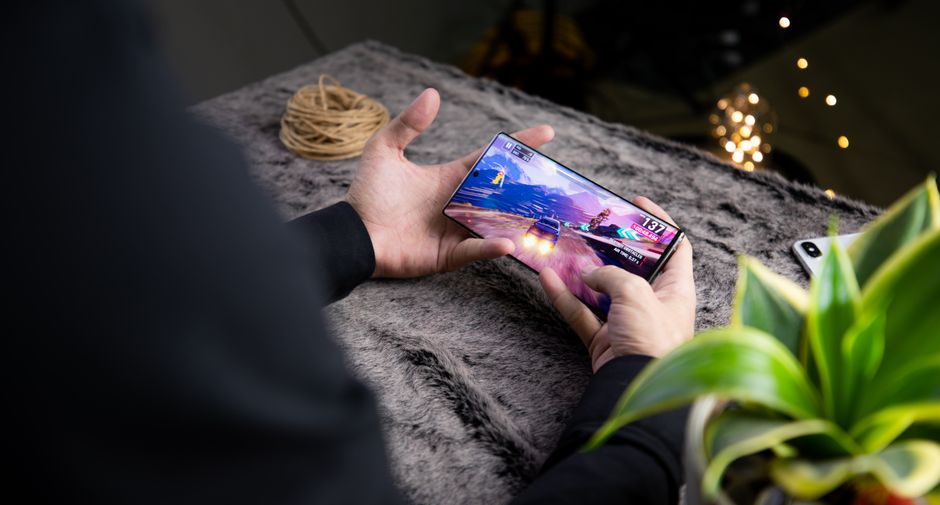
How survey apps turn spare minutes into Play credit
Google Opinion Rewards is the benchmark here, and it earned that reputation by being boringly reliable. It quietly serves you short surveys — often one to ten questions triggered by places you visit or things you buy — and drops a payout of roughly ten cents to a dollar straight into your Google Play balance. On iOS it pays through PayPal instead. No catch, no upsell, no “watch 30 ads first.”
The appeal for gamers is the effective hourly rate. Most surveys take twenty to sixty seconds, so a forty-cent survey works out to an absurd pay-per-minute if you could line them up back to back. You can’t, and that is the whole catch. Supply is throttled by advertiser demand and your demographic profile, so a typical user sees a couple of surveys a week and pockets maybe two to five dollars a month.
What makes that money punch above its weight is where it lands: Play credit spends instantly on the same store your games live in. That means a battle pass, a starter bundle, or a gem pack bought with money you never actually spent. Answer honestly and consistently — Google’s system flags rushed or contradictory responses and simply stops sending you surveys, which quietly throttles your income to zero.
Broader survey apps like Swagbucks or SurveyTime pay more per session but demand fifteen to thirty minutes and love to “screen you out” halfway through with no reward. They pay in cash or general gift cards rather than direct Play credit, so treat them as a slower, higher-ceiling backup rather than your main pipeline.
How play-to-earn loyalty apps reward the grind you’re already doing
Mistplay is the cleanest example of a legitimate play-to-earn loyalty layer. You install games through its catalog, and it pays you units — its internal points — for every minute you play, with fat bonuses for hitting in-game levels and milestones. Those units convert into gift cards for Google Play, Amazon, and similar stores once you clear a payout threshold.
The math is deliberately slow. It takes thousands of units to equal a dollar, and a steady player realistically banks somewhere between five and fifteen dollars a month. The upside is that supply is effectively unlimited: as long as you keep playing, you keep earning, with none of the demand-based throttling that caps survey apps.
The real trick is only counting time you would have spent anyway. If you were going to sink an evening into a new mobile RPG, routing that session through a loyalty app converts idle grind into gift-card balance for free. Chase the level-up multipliers, since the biggest unit payouts cluster around early progression milestones. Just stick to established apps with a long public payout history — this category is crawling with sketchy clones that promise cash for tapping and never pay out.
The real speed test: which fills your wallet first?
Measured per minute, surveys win in a landslide. A forty-five-second survey for forty cents is a pay rate no game-based app can touch, because loyalty apps are built to reward volume of time, not efficiency. If your bottleneck is free time, surveys are the correct answer every single time.
Measured per week, play-to-earn usually pulls ahead for one reason: you can’t run out of it. Survey supply dries up after a handful per week, but a loyalty app will happily reward a three-hour Saturday session. For anyone who games seriously, the total monthly haul from play-to-earn tends to beat the survey drip.
So the honest answer is that it depends entirely on your bottleneck. Short on time but demographically desirable to advertisers? Surveys. Time-rich and willing to funnel your normal play through a catalog? Loyalty apps compound faster. Most people hit both constraints on different days, which points straight at the obvious move.
Stack both so no minute goes to waste
Run them in parallel. Keep Google Opinion Rewards installed purely for the drip of high-value micro-payouts — it costs nothing to sit idle and ping you a survey now and then — and fire up a loyalty app whenever you settle in for a long session. The two income streams never compete for the same minutes.
Be deliberate about how you spend the winnings. Point Play credit at direct in-game purchases where every cent converts, and save slower gift-card earnings for bigger buys or restocking your balance. Watch expiration dates too — Play credit from surveys generally lapses about a year after it lands, so don’t hoard it into oblivion.
Then let the game’s own free economy carry the rest. Daily login streaks, event tracks, free battle-pass tiers, and quest chains are your steady grind; the apps exist to fund the premium extras that grind can’t reach. Reserve your earned currency for limited-time offers with the best value-per-dollar ratio rather than blowing it on the first shiny bundle.
Why “free gem generators” are the slowest path of all
Type any game’s name plus “free gems” and you’ll drown in sites promising unlimited currency in minutes. None of them work, and the reason is technical, not moral: your currency balance lives on the game’s server, and no outside website can write to it. Every legit purchase is validated server-side, so an external generator has literally nothing to hook into.
The “human verification” gate is where the scam actually pays out — to them. It funnels you into surveys that earn the operator a commission, app installs they get paid for, or a fake login page built to steal your account. Modded APKs are worse: they routinely ship with malware and credential stealers riding along inside the app.
The price when it goes wrong is brutal and permanent. Publishers detect tampering and hand out account bans that wipe every hour and every reward you legitimately earned, and a phished login can take your whole account plus any payment method attached to it. The legit apps are slower by design, but you finish the month with your account, your progress, and your rewards intact.